DISClAIMER: Website Not Mobile Compatible

Animation Study
An animation is a sequence of images put together to create the illusion of motion. The science behind it is our eyes can only retain an image for about 1/10 of a second. As a result images blend in to a single moving image. The smoothness of an animation is determined by the frame rate. The standard frame rate for animations are 24 fps (frames per second)
What Is Animation?
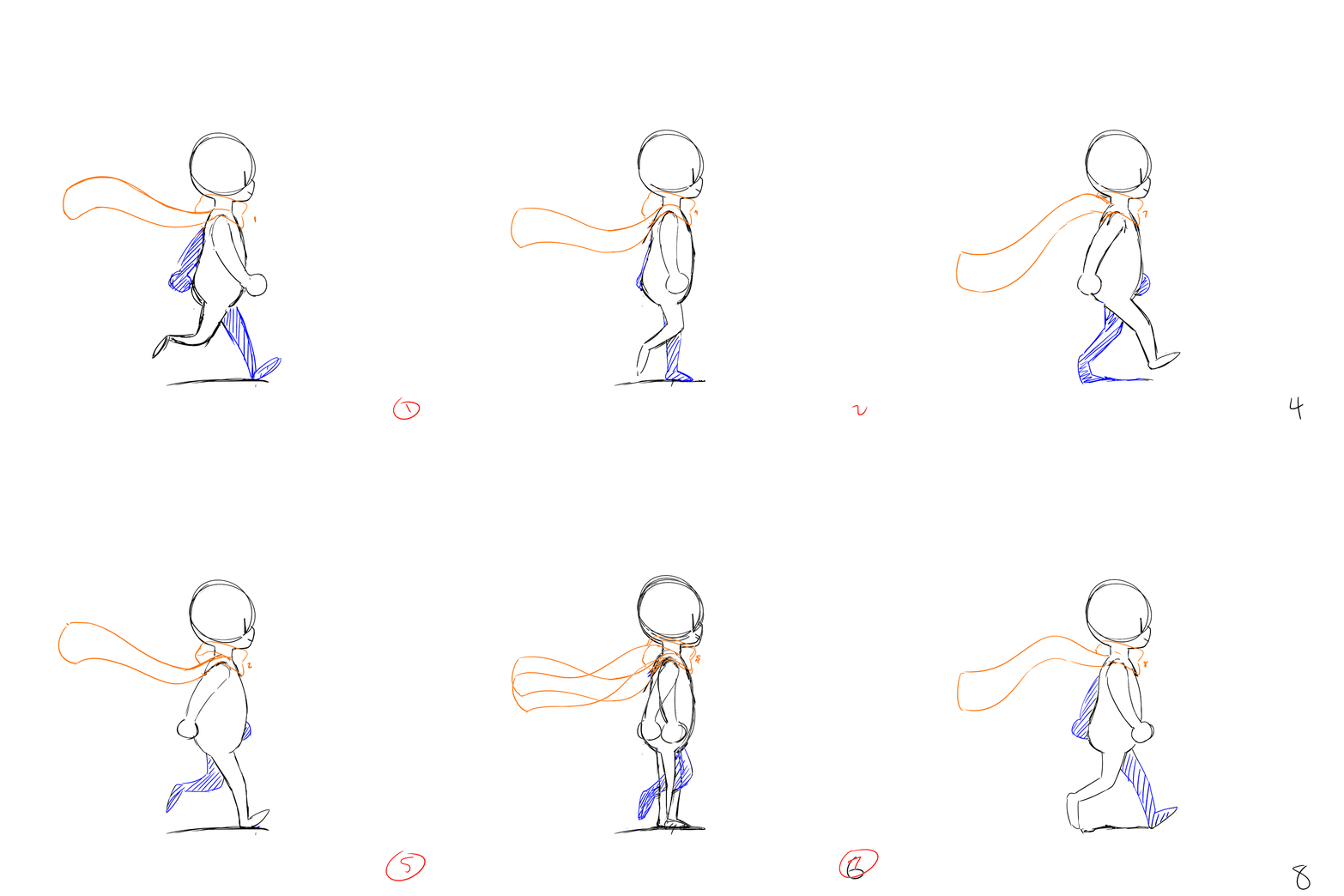
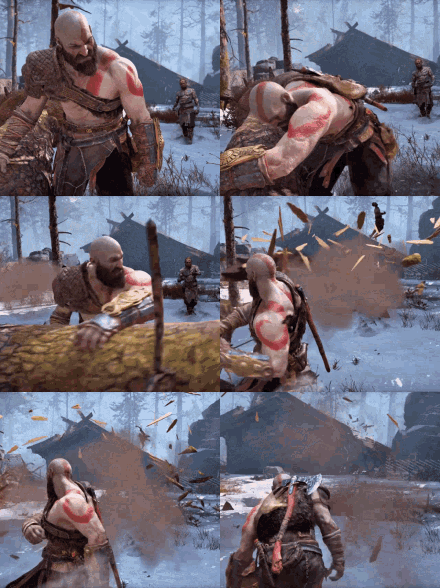
What makes in-game animation different to other forms of animation?
In-game animation is unique. First of all, an obvious difference is games are rendered in real time whereas standard animation is pre rendered or drawn. Secondly game animation is limited by the hardware that the user is using. Another difference is game animations use cycles instead of sequences. This is so animators can reduce the amount of work. Going back to real time animations, games have a lower polygon count in comparison to pre rendered animations due to it being rendered on the fly. With all that said it's safe to say game animations differentiate quite a bit when it comes to different types of animation.
What are the constraints that effect in game animation?
There is a dilemma with in-game animations. A choice has to be made. How realistic you want an animation to be and how responsive you want the game to feel. You have to strike the perfect balance (obviously depending on the style of game you're going for) Imagine a scale. One side labelled realism and the other responsiveness. So let's say the line is directly in the middle you'll have a perfect balance of realism and responsiveness. As that line goes to the left the animation becomes more realistic but the responsiveness becomes slower. On the other hand if the line went to the right the animation would get less realistic but more responsive. The reason why you can only pick in between and not both fully is because to have an animation look more realistic the game's going to have to blend those animations to make the transition seem seamless. So whats the problem you may ask. Well it takes time blending animations together. This in turn makes the responsiveness of the controls feel sluggish.
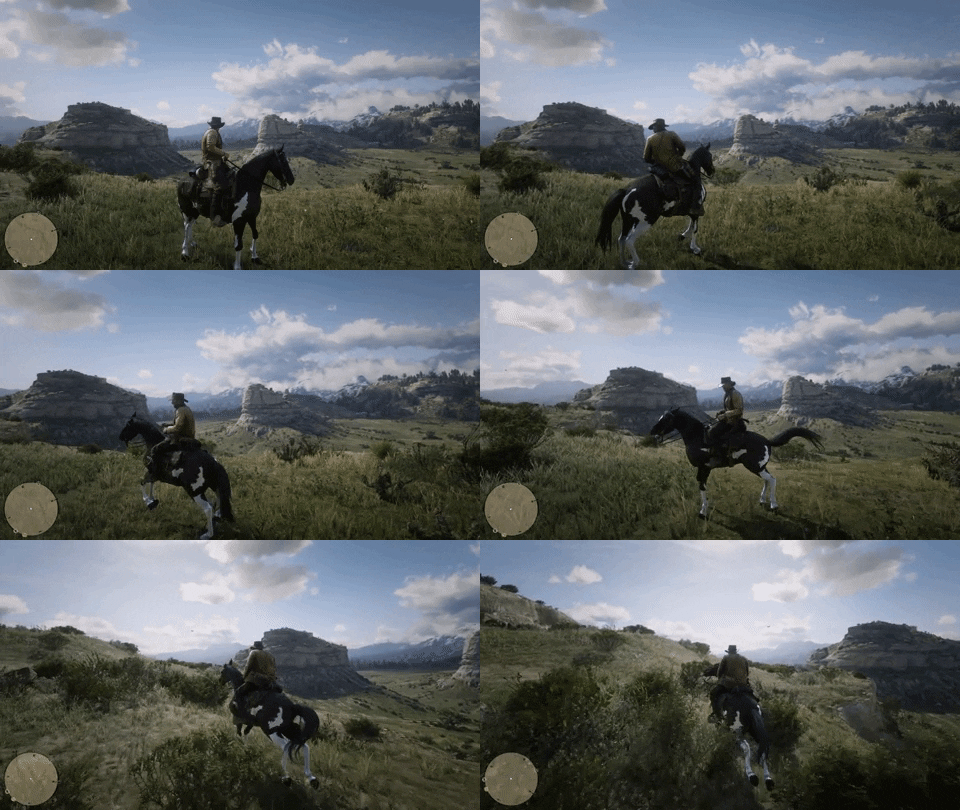
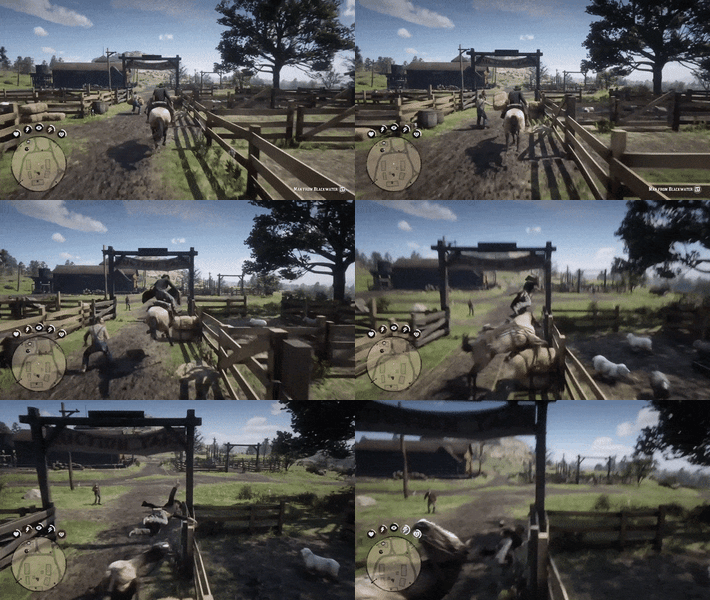
Why don't NPCs have the same constraints that player characters have?
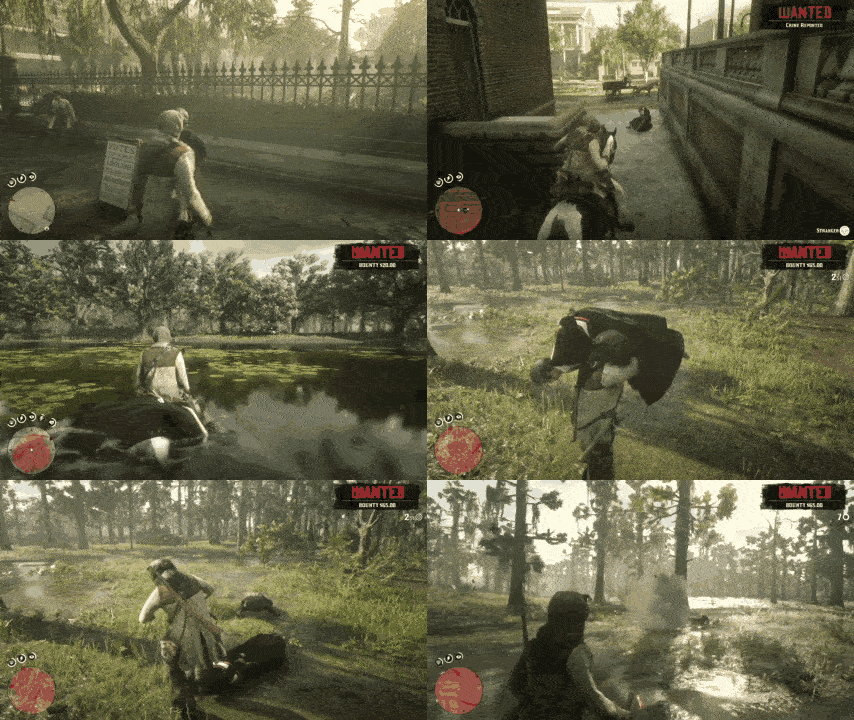
This answer to this question interlinks with the previous answer. NPCs (non-player characters) aren't controlled by anyone so responsiveness doesn't matter. you can make the animation as realistic as you want without having to worry about it effecting gameplay.
The history of animation
Animation has been around for quite some time now. Over the years there have been many different methods to achieve the illusion of motion. So lets head back to the very beginning and explore all the different techniques.


In 1832 a man living in Brussels by the name of Joseph Plateau created the very first form of animation, the Phenakistoscope. To use the it you would spin the wheel and look through the slits at the images reflected in a mirror. The slits would separate each frame preventing the image from becoming blurred. This would in turn would make the image look like it was moving.
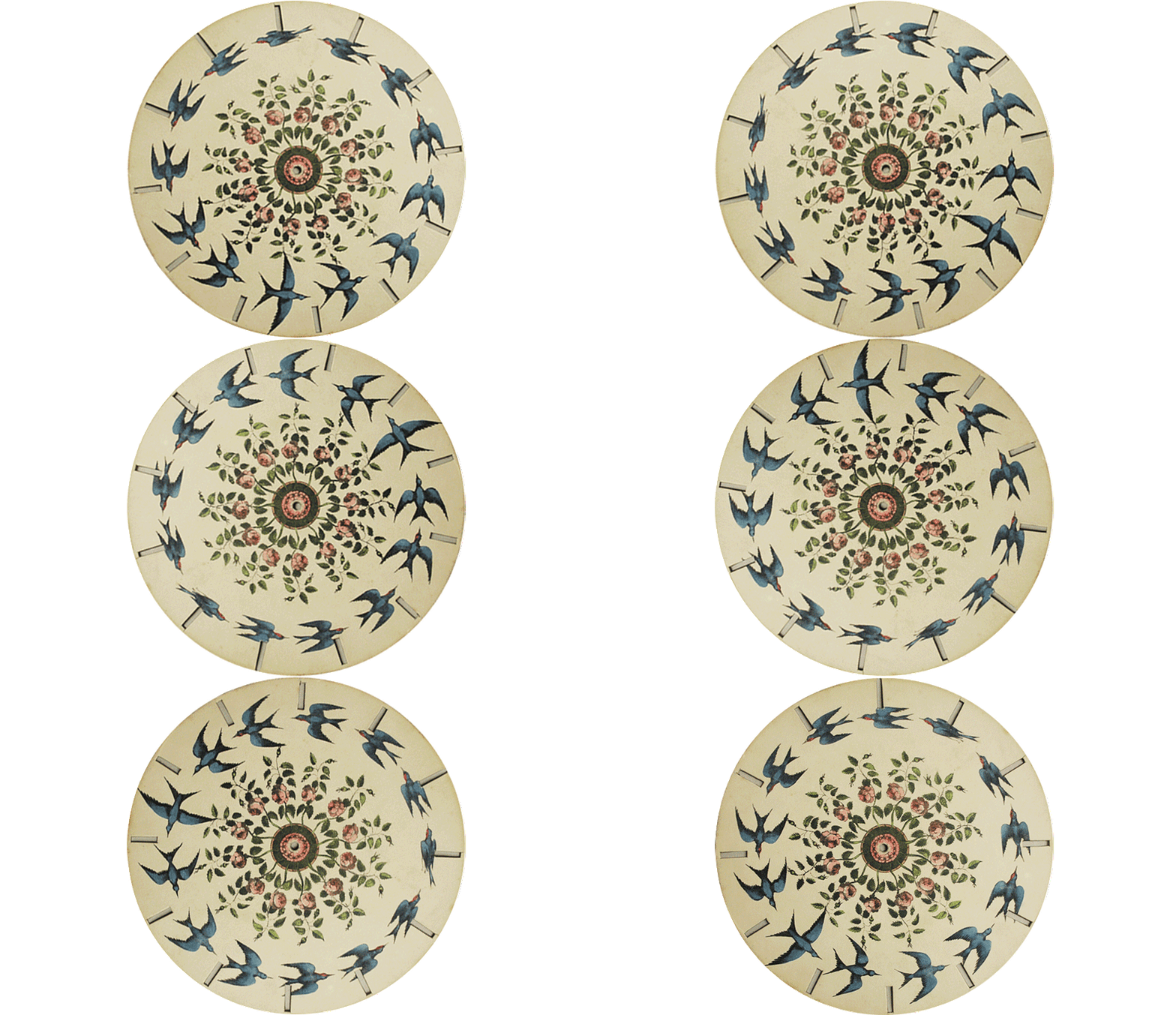
1832
1833
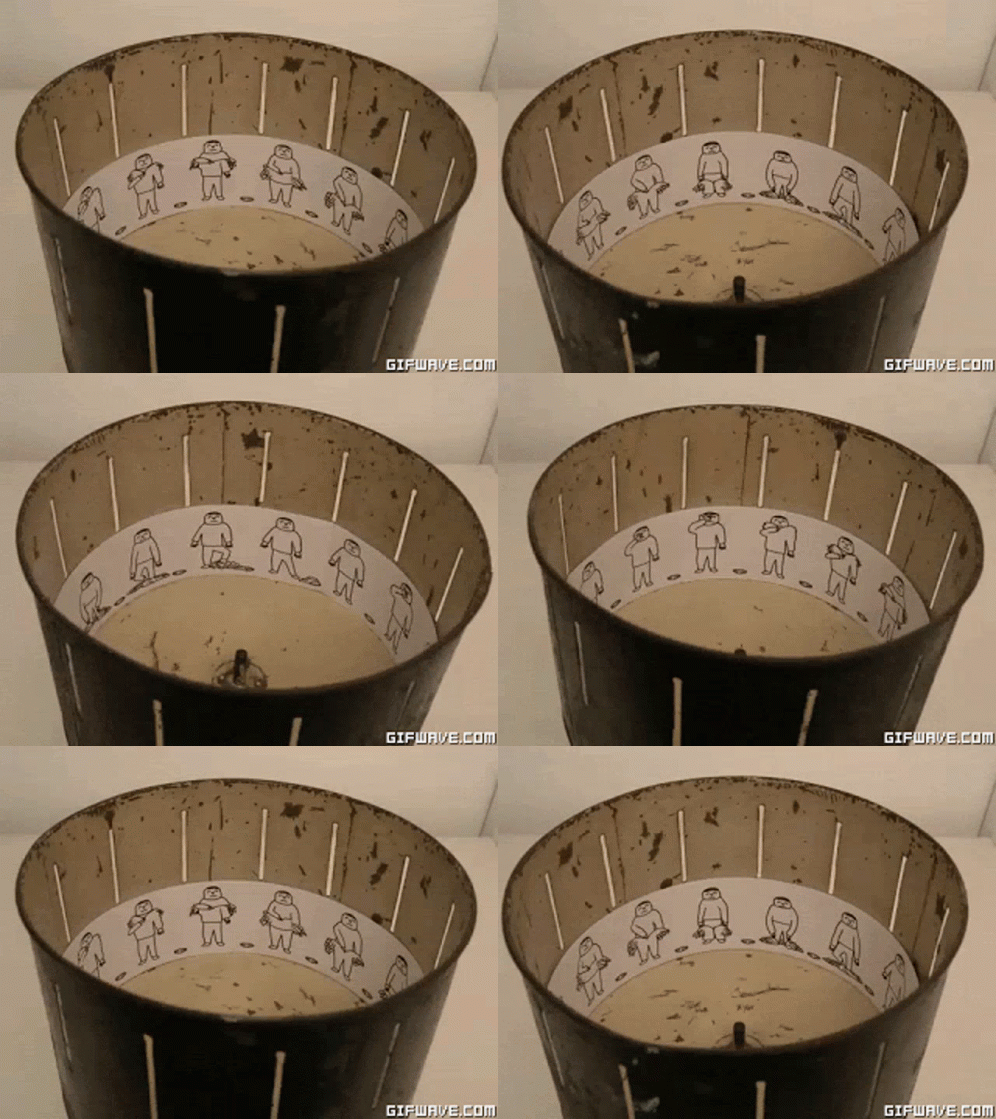
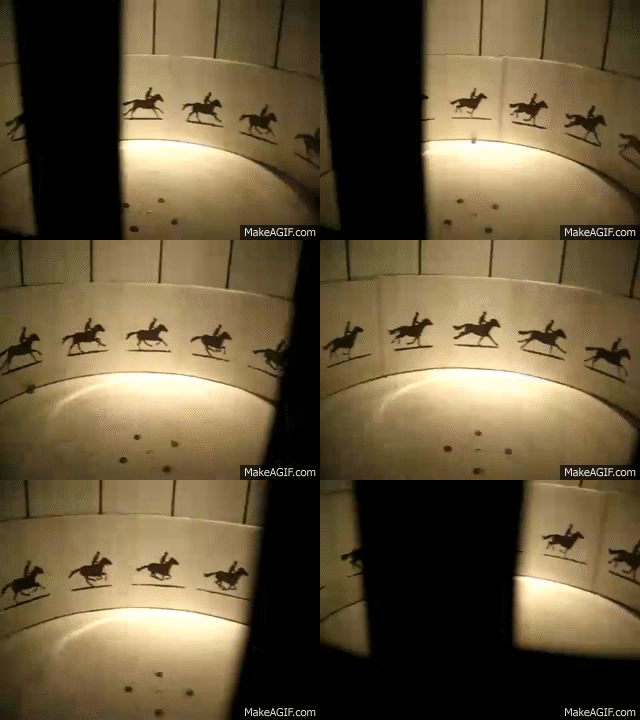
The Dædaleum was invented in 1933 by William Horner. The Dædaleum was later named the Zoetrope or the Wheel of Life. This was practically the cylindrical version of the Phenakistoscope.
_edited.png)
Fun Fact!
When a moving image blends together this illusion is called the persistence of image
1872
Quite a while down the line Eadweard Muybridge discovered creating the illusion of motion with a sequence pictures.
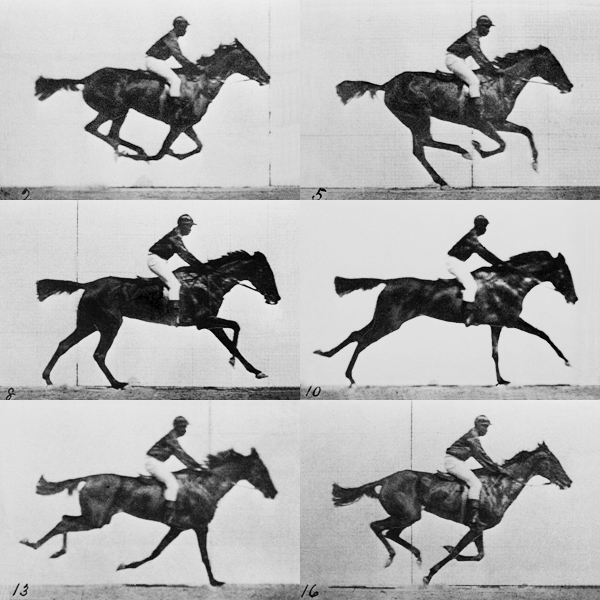


1877
This next invention was a successor to 1833's Dædaleum. The Praxinoscope, invented in France by a man by the name of Charles-Émile Reynaud. In the middle of the contraption is the mirrors that reflect the images on the inner rim.
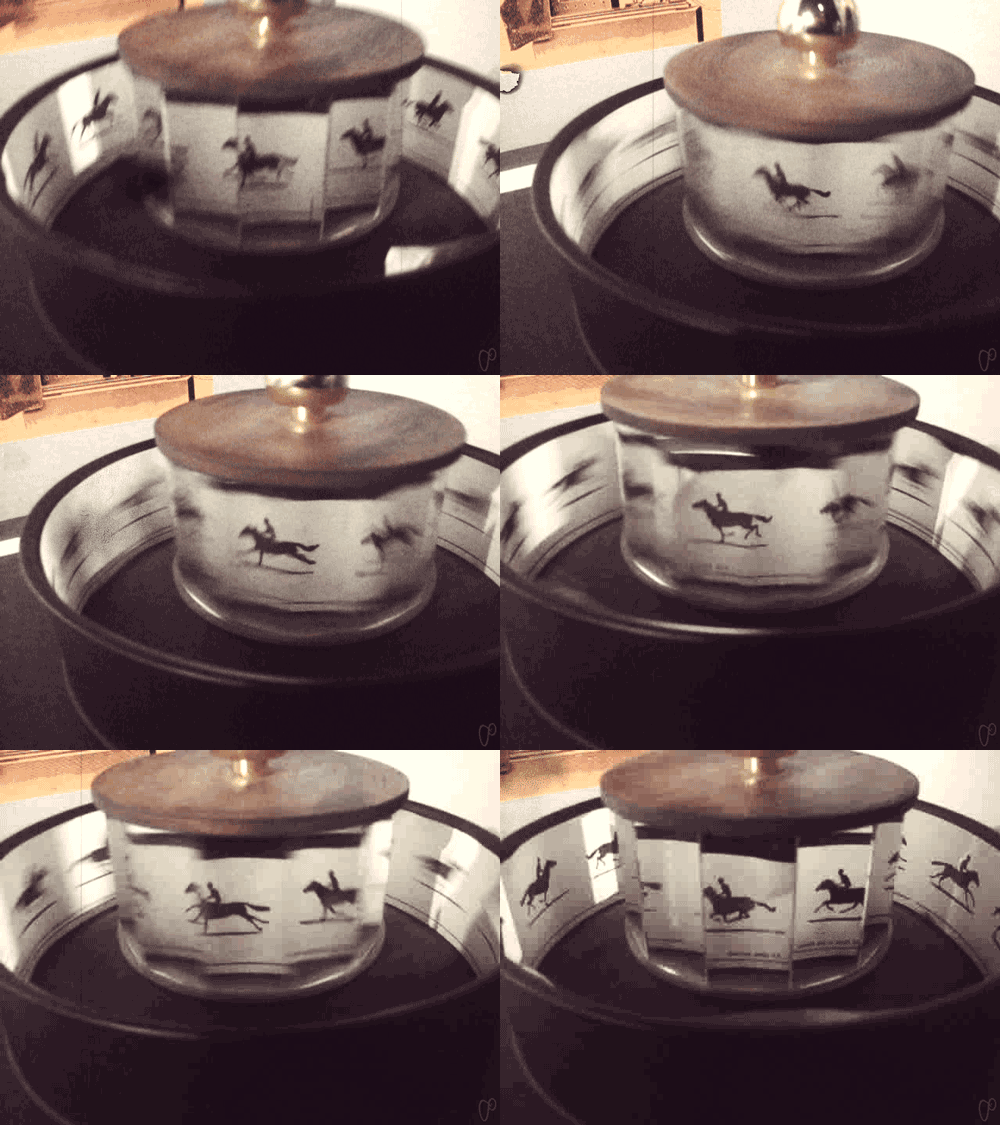
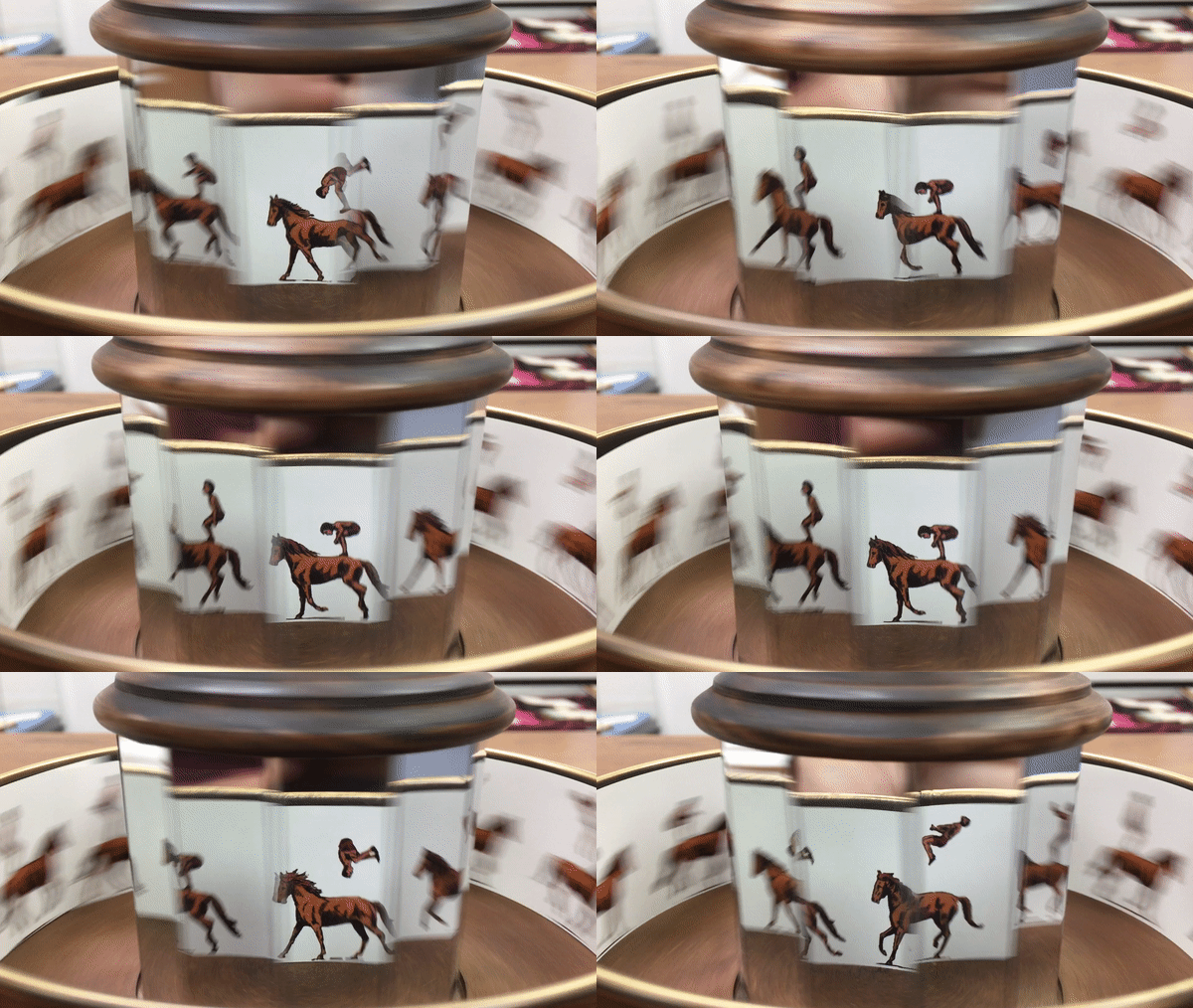

1928
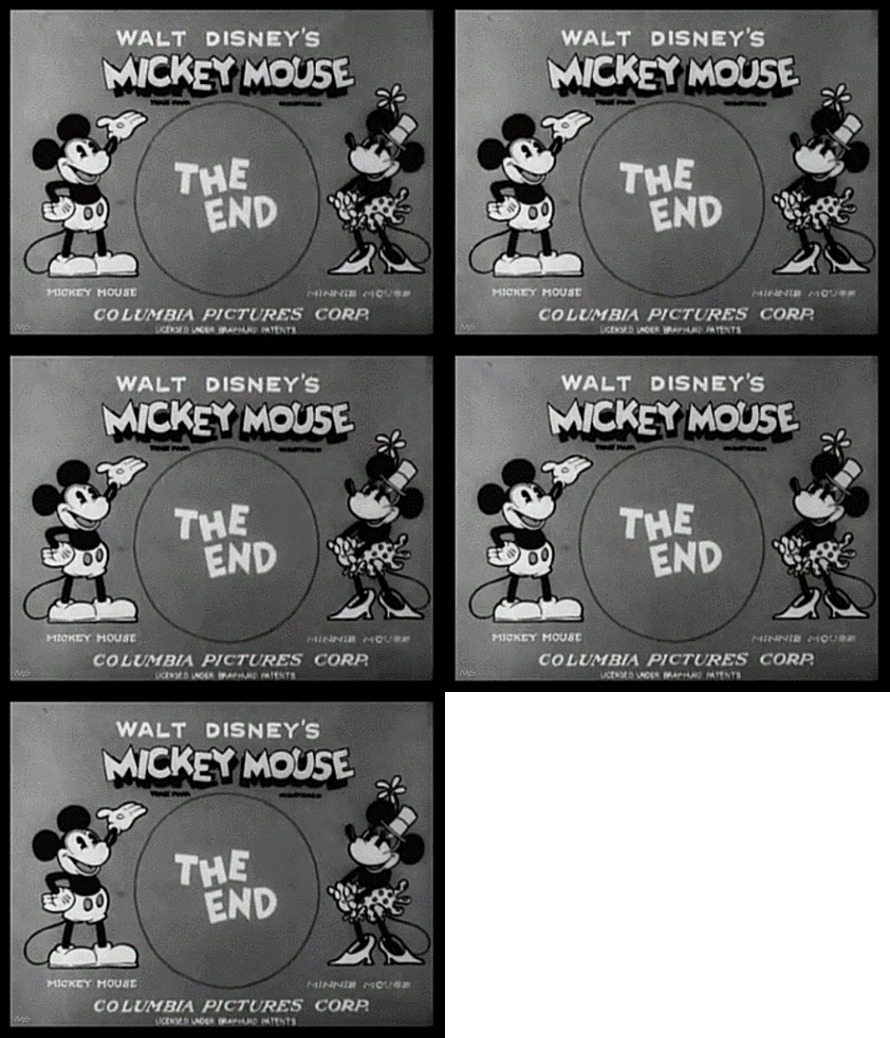
The one and only Disney created their first animation! Created using the new found technique, cel animation. The iconic Steamboat Willie cartoon was released this year. This is where Disney's journey began.

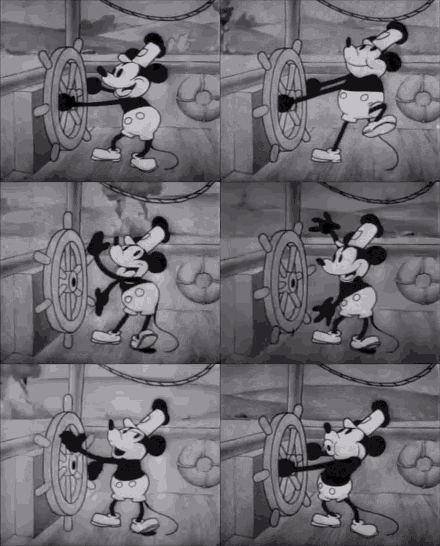
What is cel animation?
A cel animation is made by drawing on a celluloid which is a transparent sheet. After each frame was drawn a picture would be taken with a multiplane camera. The background is on a separate layer from the characters so that the characters can be animated separately from the background
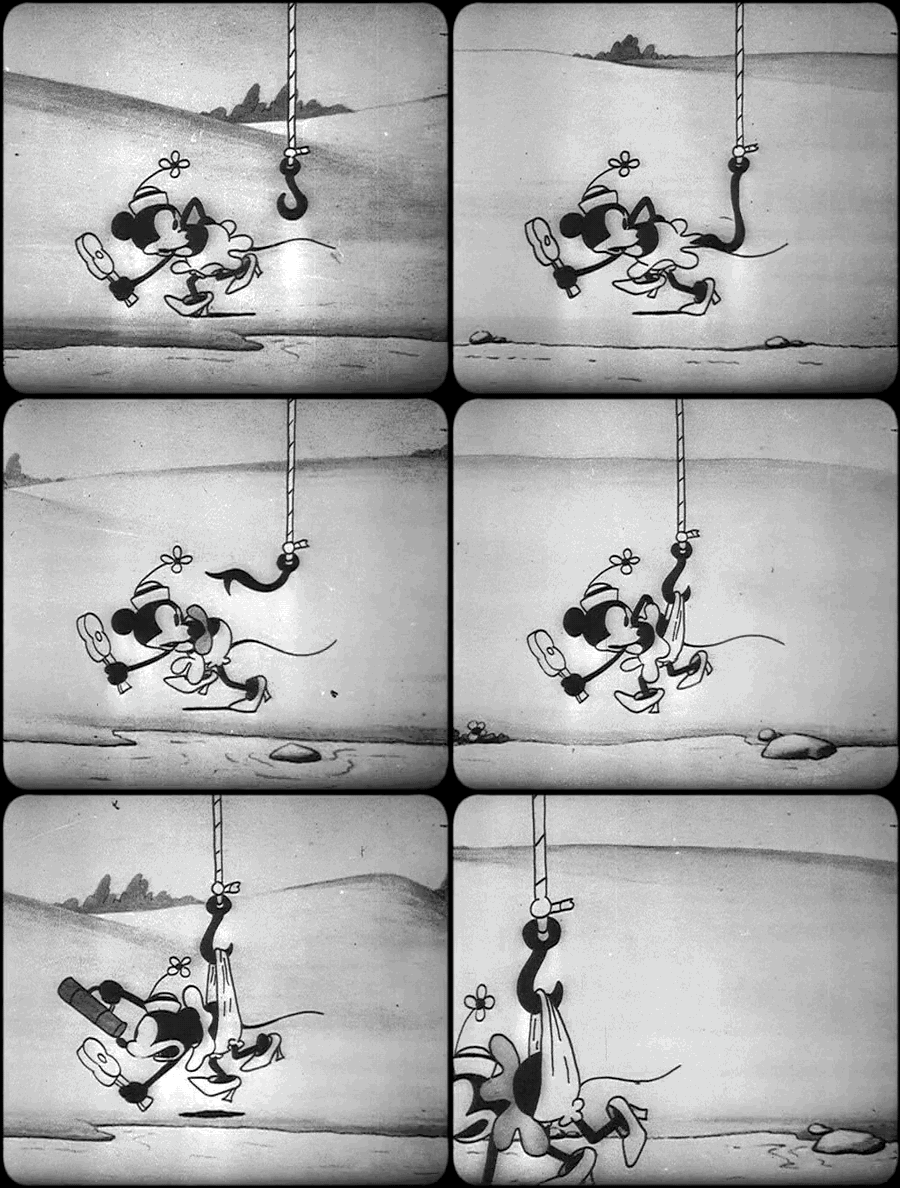

This beast is a multiplane camera
Fun Fact!
Steamboat Willie is the first animation with synchronised audio

What is onion skinning?
The reason why cel sheets being transparent are really helpful is because of a new technique called onion skinning. This technique is used to help animators determine how the frame they're drawing should look by looking at the previous or next frame.
Here's an example of an onion skin

1936
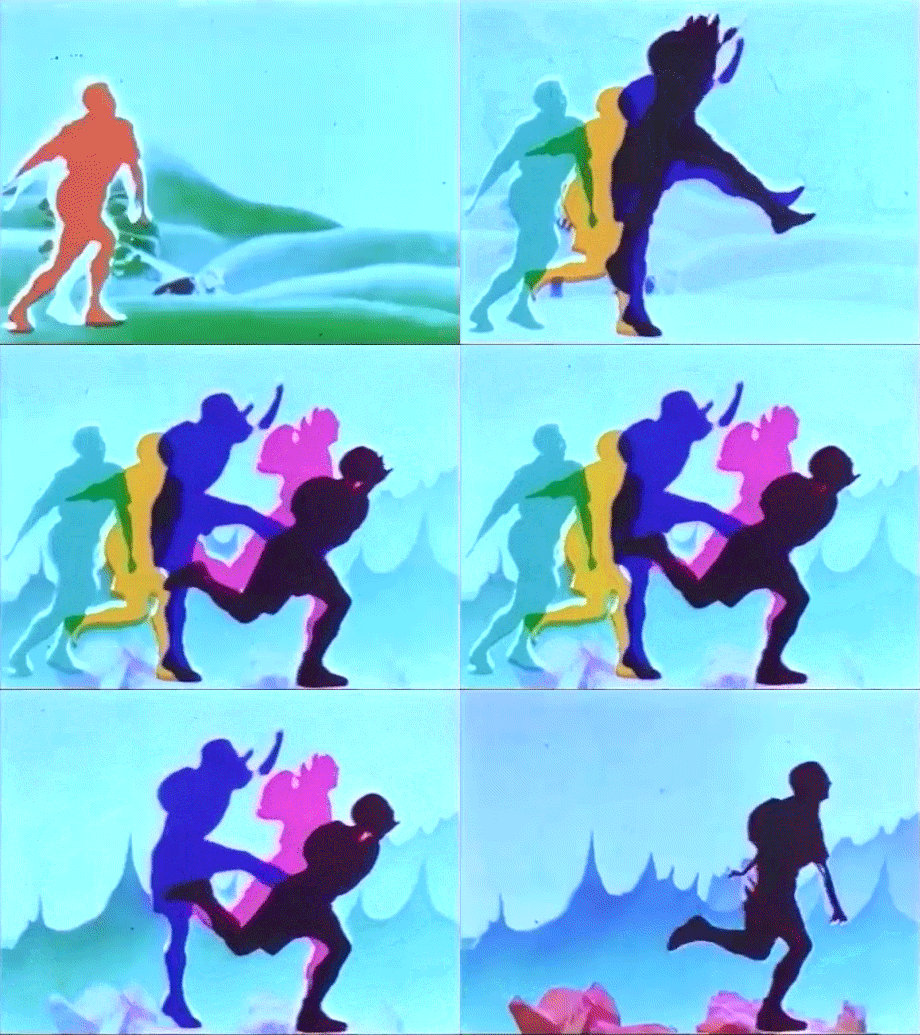
Direct animation or better known as rotoscoping was first used by Len Lye in a music video called the Rainbow Dance. Rotoscoping is the process of drawing and painting over recorded footage



1957
This was the year the company Hanna Barbera released the hit show Scooby Doo Where Are You. The new animation technique utilised by the show is called limited animation. This is where they reuse already existing frames of characters so they don't have to redraw poses already drawn. Drawings are done on a celluloid just like the Disney animation Steamboat Willie. This is a cheap and time saving way of creating animation. It's perfect for companies on a budget.

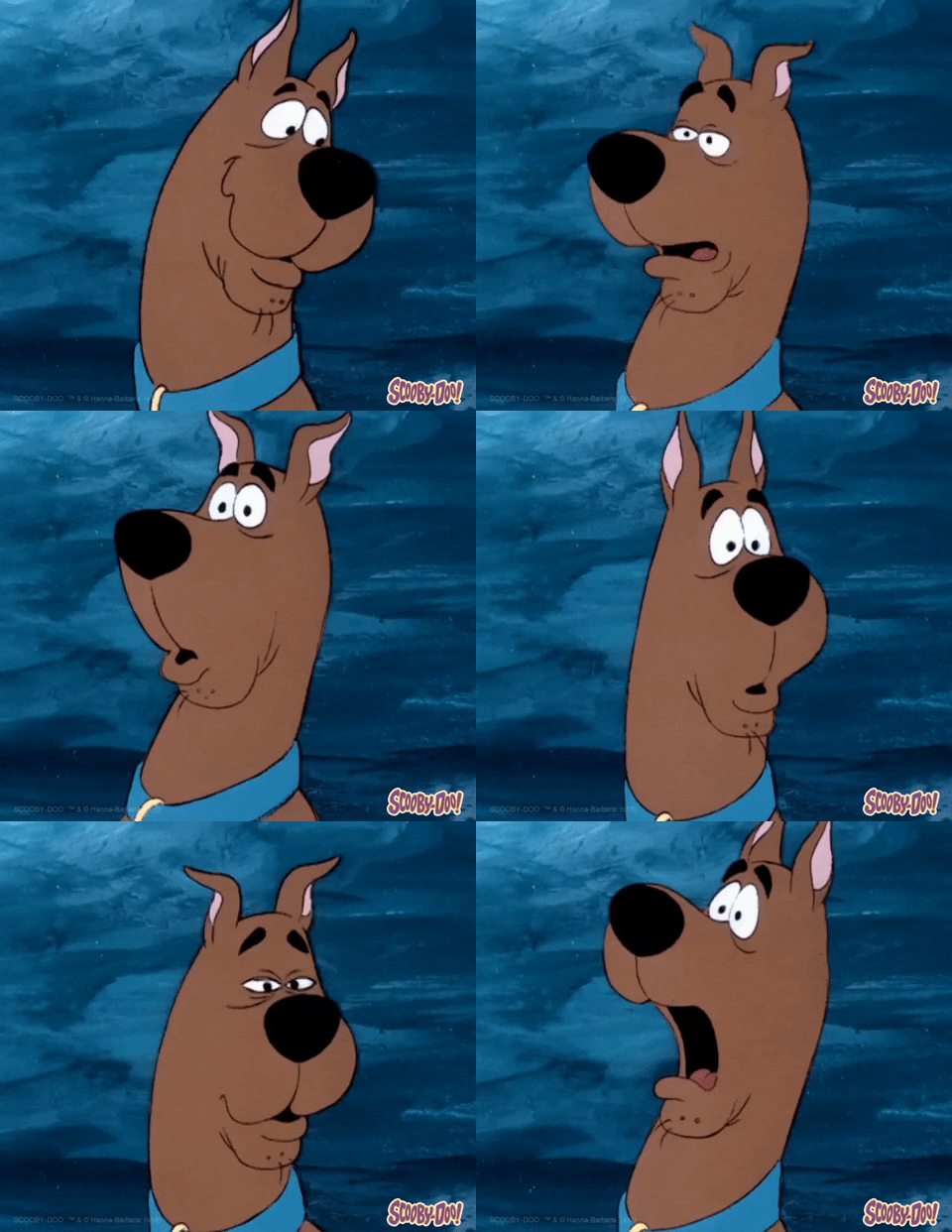
Techniques used to cut costs
There are a few techniques used in animations to cut costs and save time so here's a list of them:
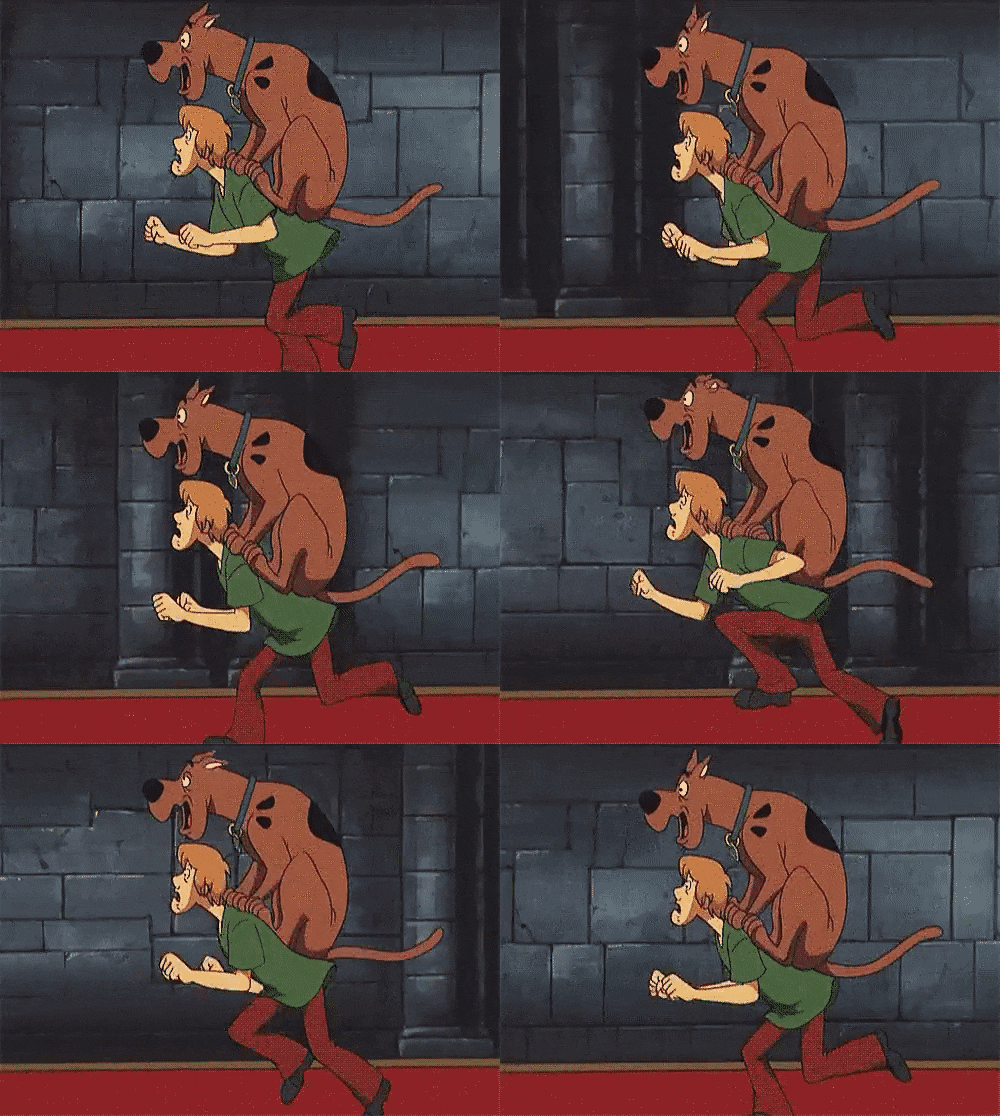
- Looping Cycles
Here's a good example of a looped cycle. The animator only had to draw the first few frames and then loop it. It saves a lot of time however it gives the animation an unnatural look and it is obvious when this technique is used.
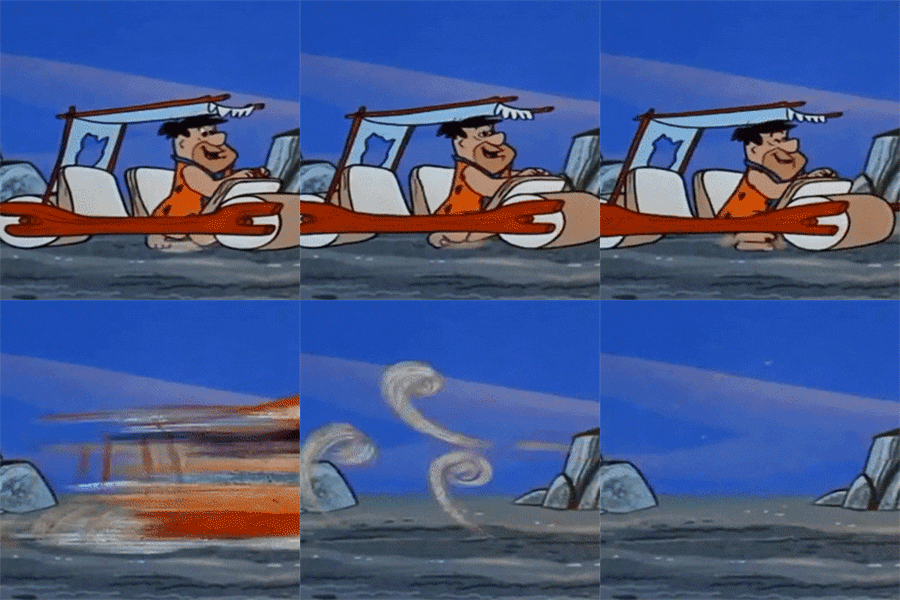
- Smears
Smears are an easy way to depict fast motion. Which in turn means less detail needs to be drawn. Basically, an easy way of adding motion blur.
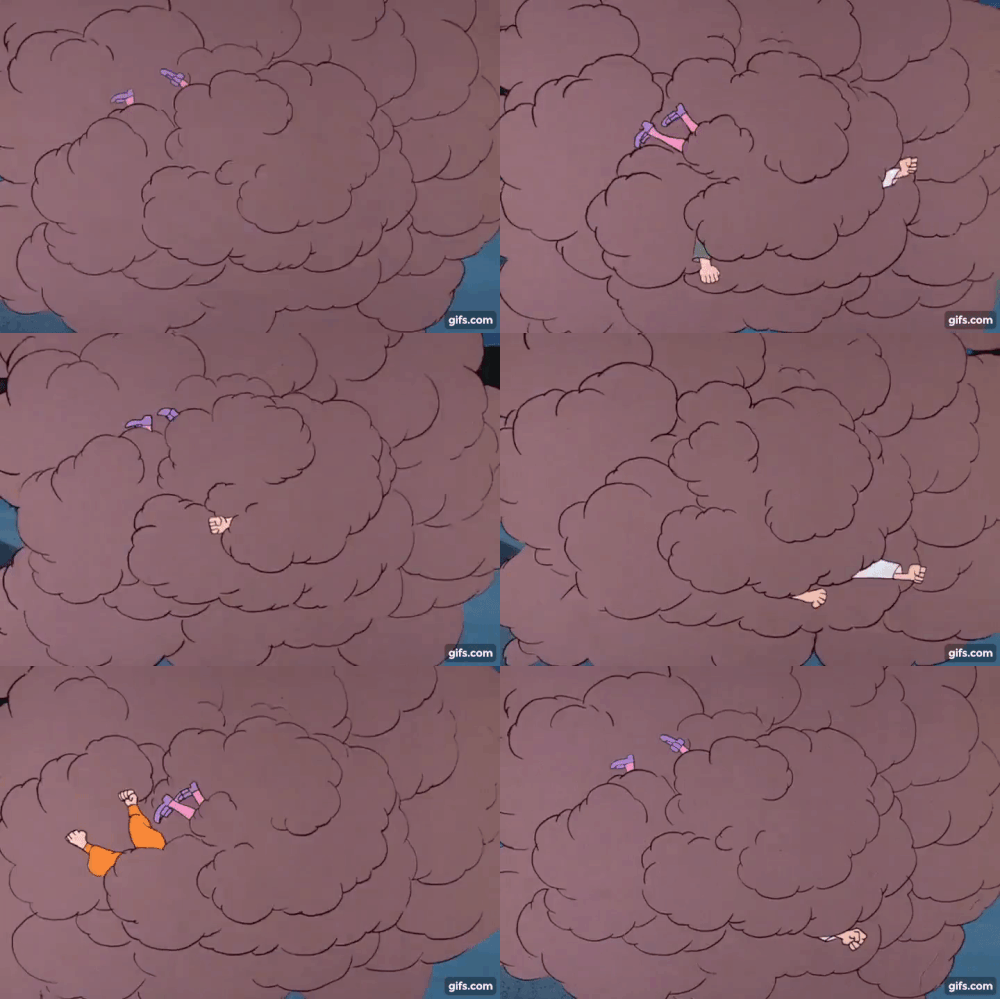
- Suggestion
This technique is used to insinuate something happened instead of showing it. This usually means less work animating the thing happening and using sound cues or animating something that suggests something is happening
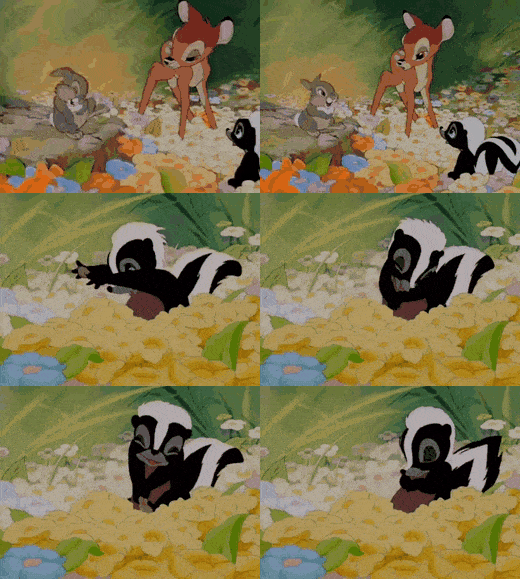
Around this time Disney was also in their prime

Disney was starting to make feature films. They really mastered the craft. The characters felt convincingly real. Like they were full of life and emotion. They achieved this effect by drawing every frame by hand and whilst this method is costly and time consuming the result was well worth the natural look. Disney were still using the same technique from 1928, cel animation.

1988
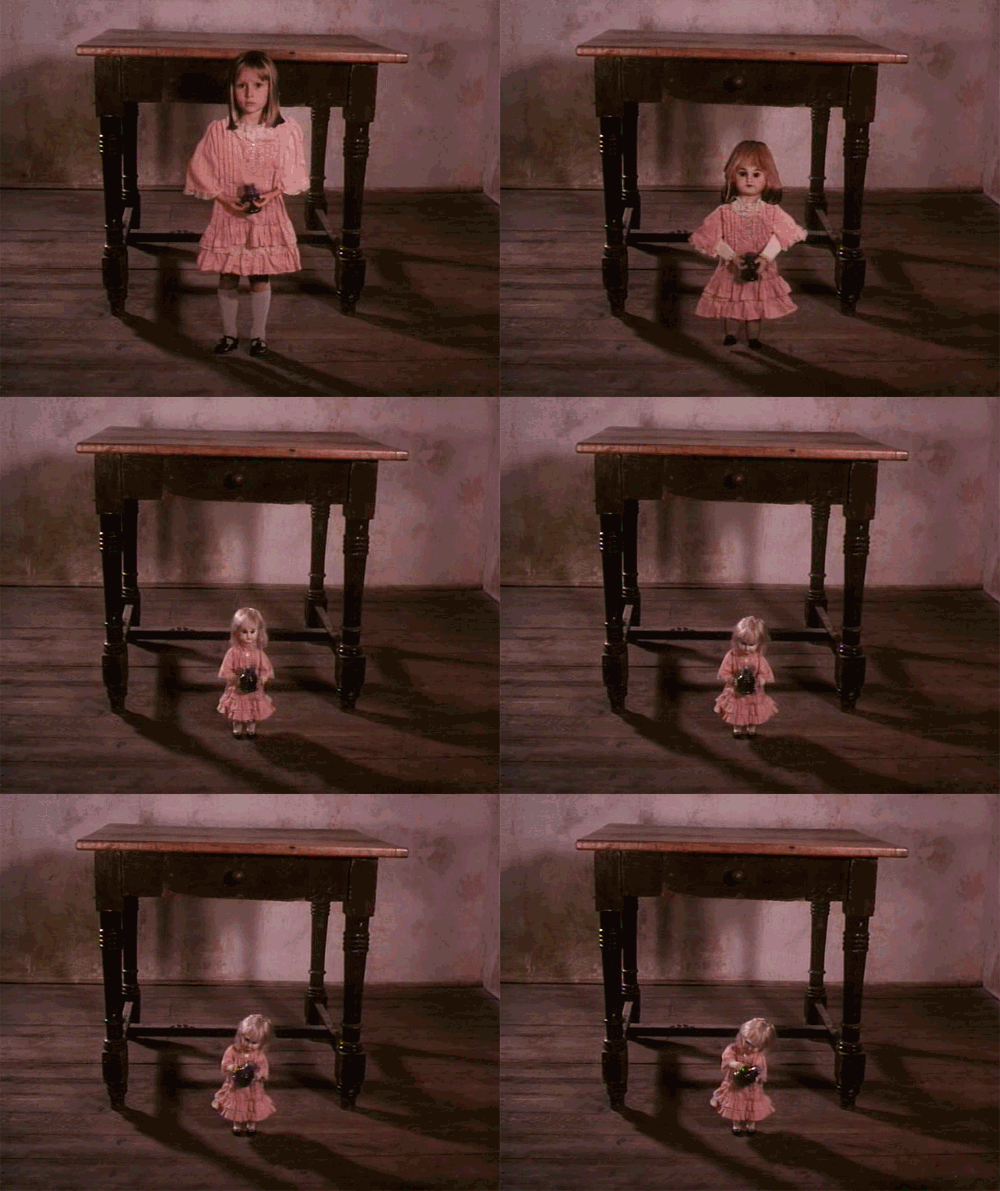
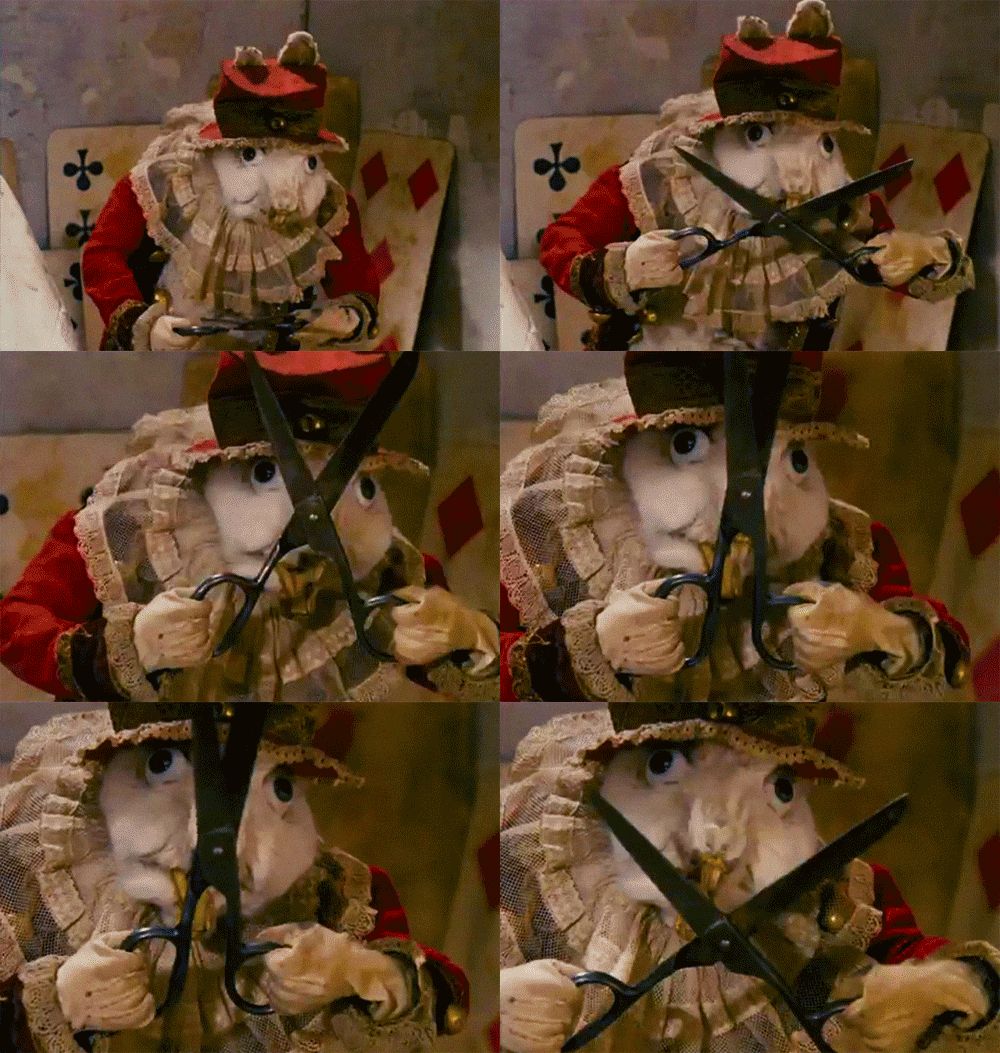
Stop animation was popularised by a man named Jan Svankmajer. He was responsible for the stop motion animation "Alice". Stop motion is an animation technique where you move inanimate objects in small increments and take a picture every time you do so. Common things used for stop animation were dolls and clay models as they were easy to manipulate
1993
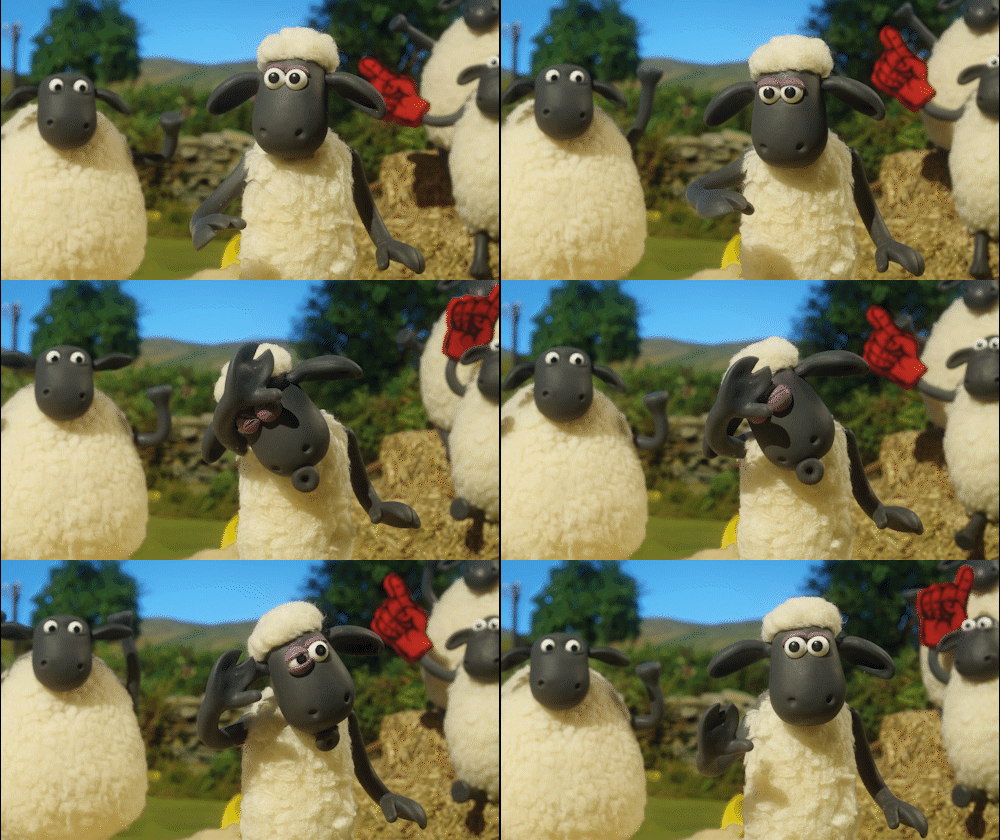
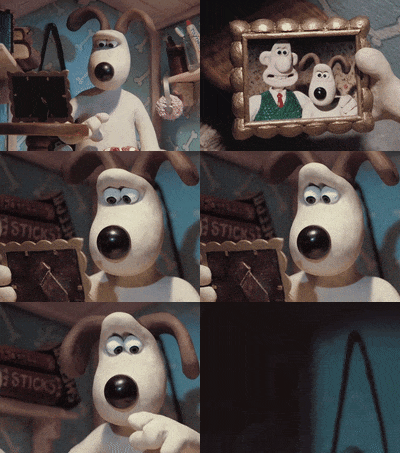
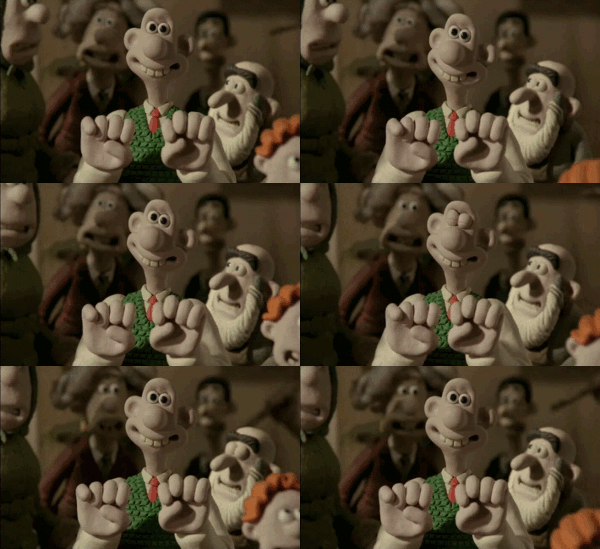
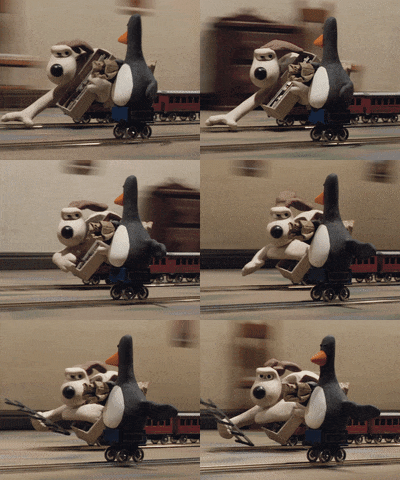
Aardman popularise the use of claymation (stop motion). All their characters are made with plasticine and their sets are made with a variety of different materials. Aardman masters stop motion and has a uniquely distinct art style.



1995
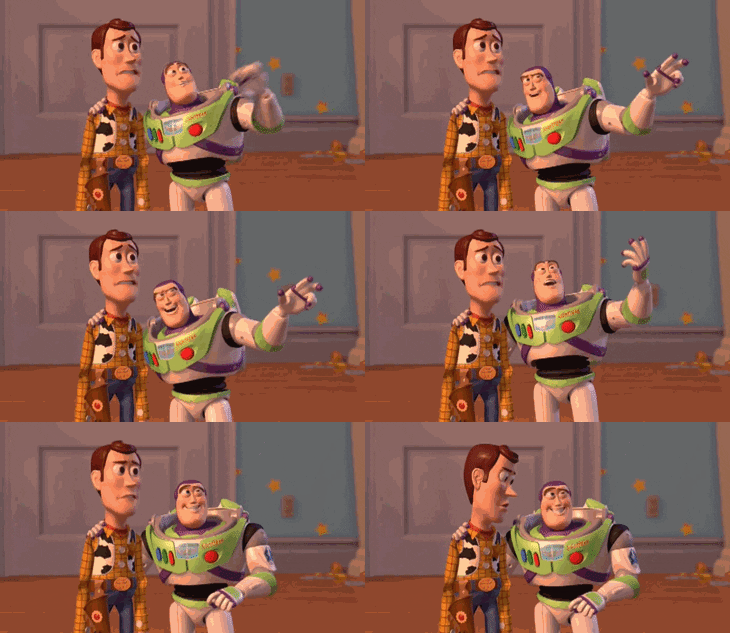
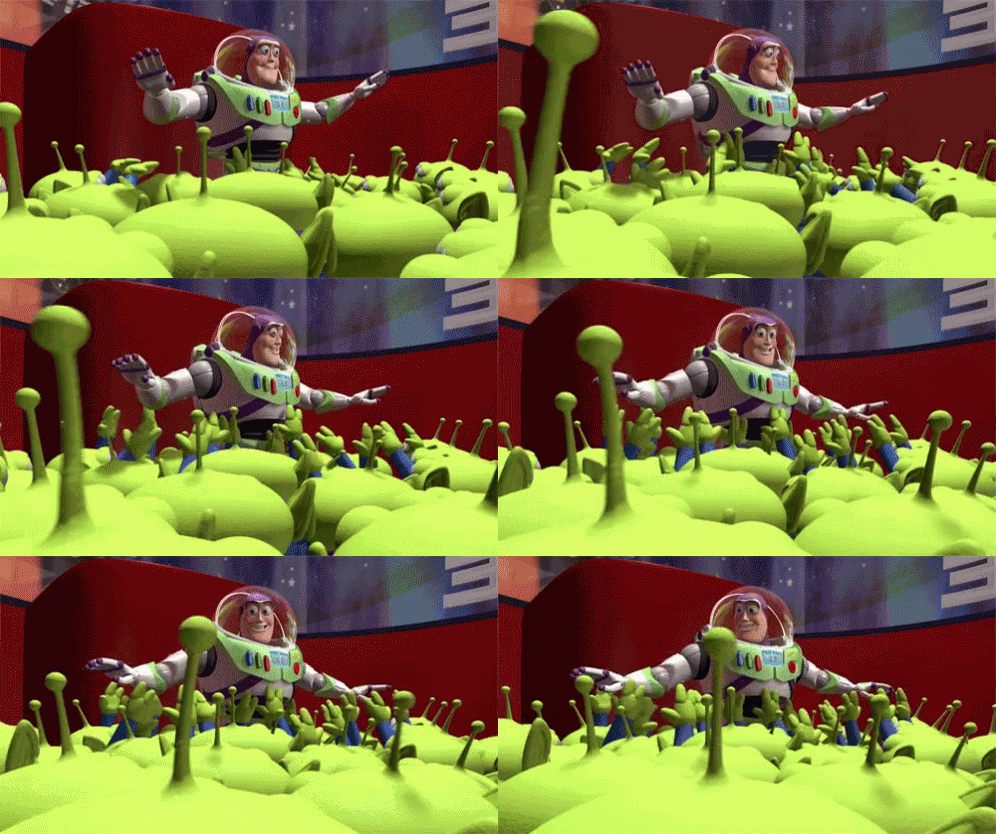
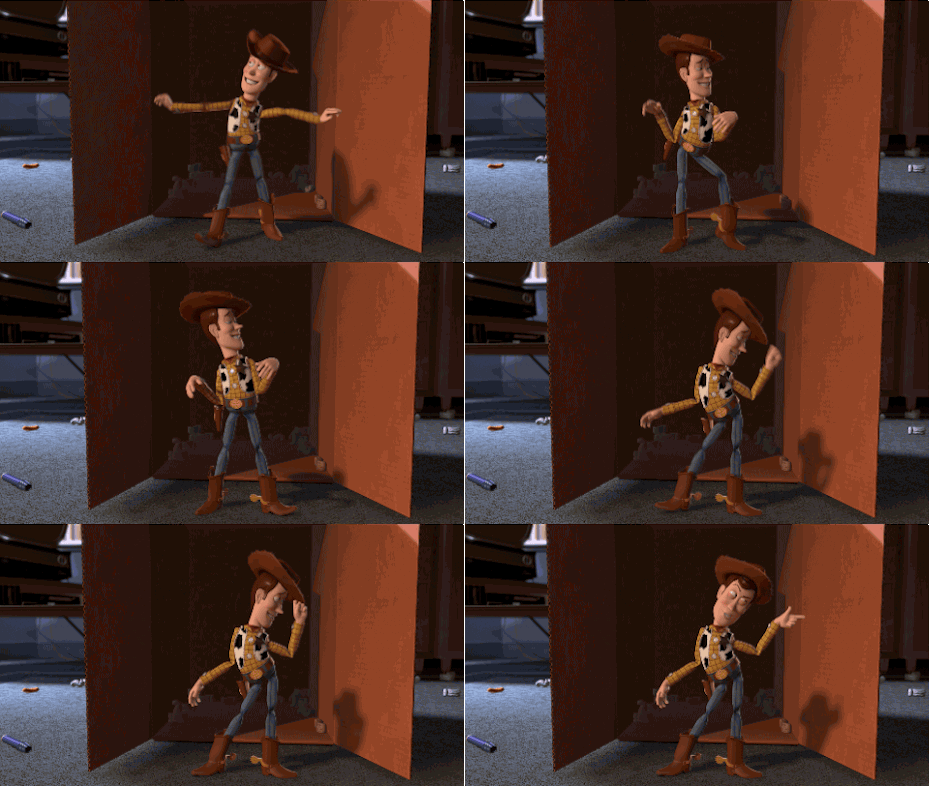
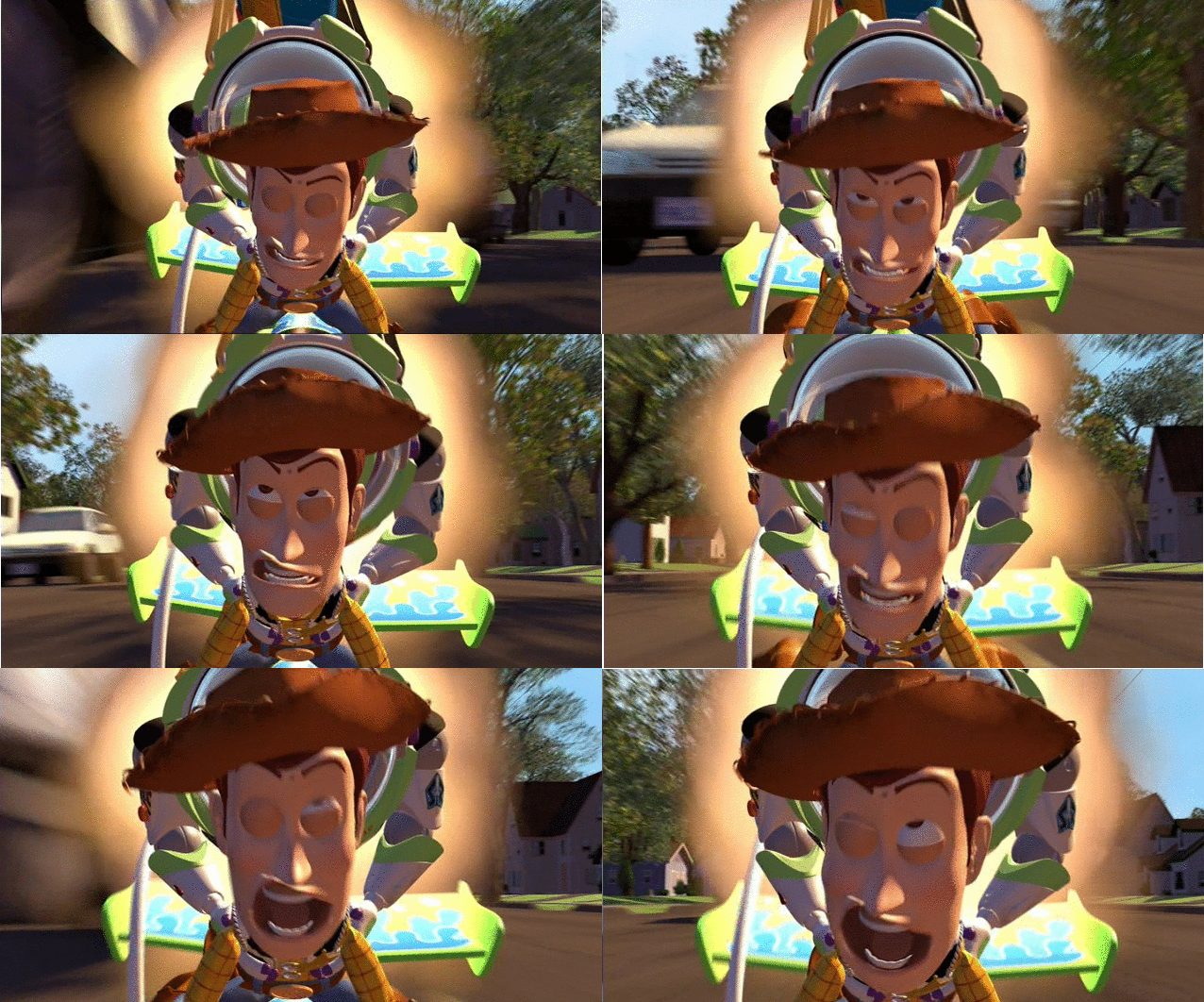
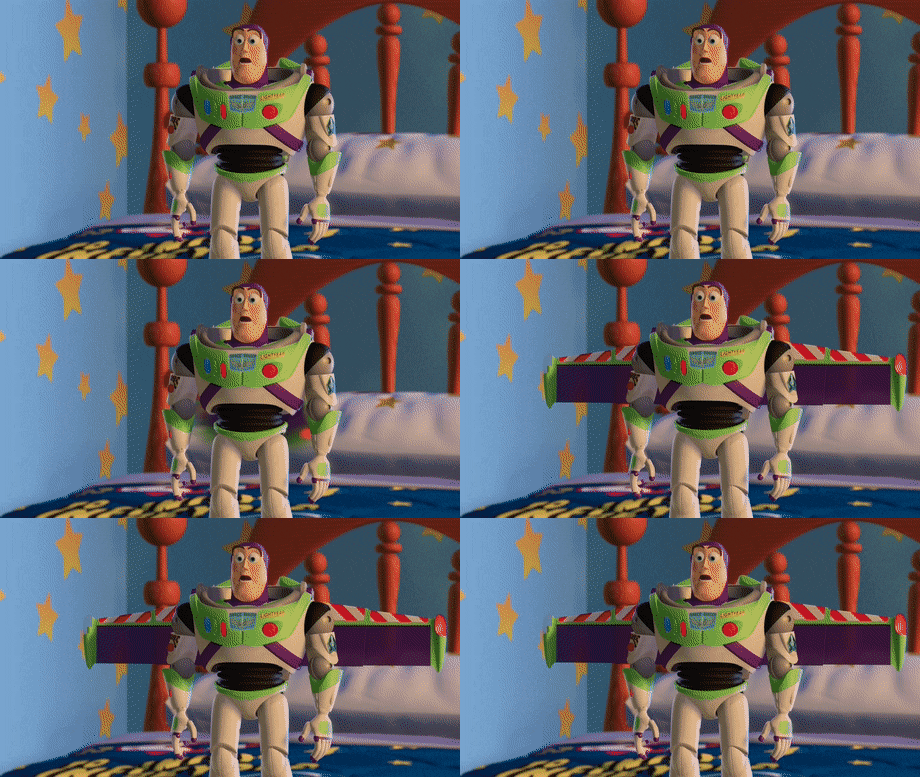
This year Disney's achieved yet another big milestone. The first ever fully computer - animated feature film was made. Toy Story was a big stepping stone for the entire animation industry. This was the era where CGI (computer-generated imagery) started to gain more popularity and recognition


2006
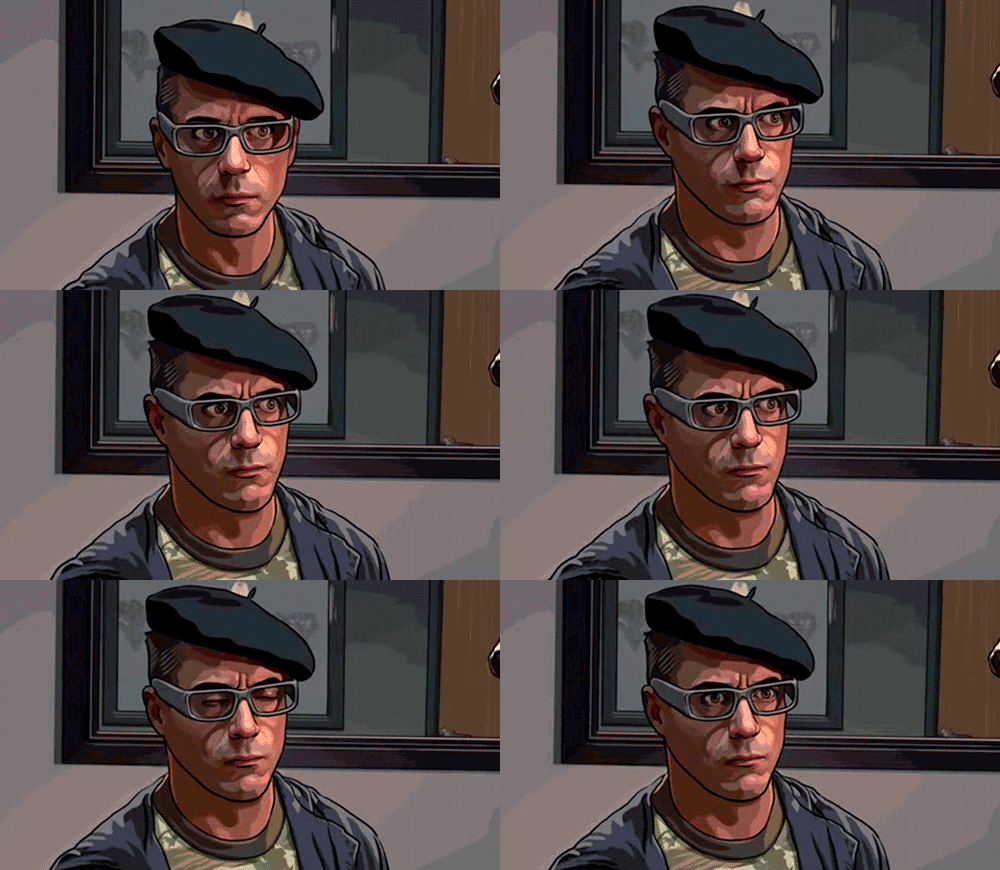
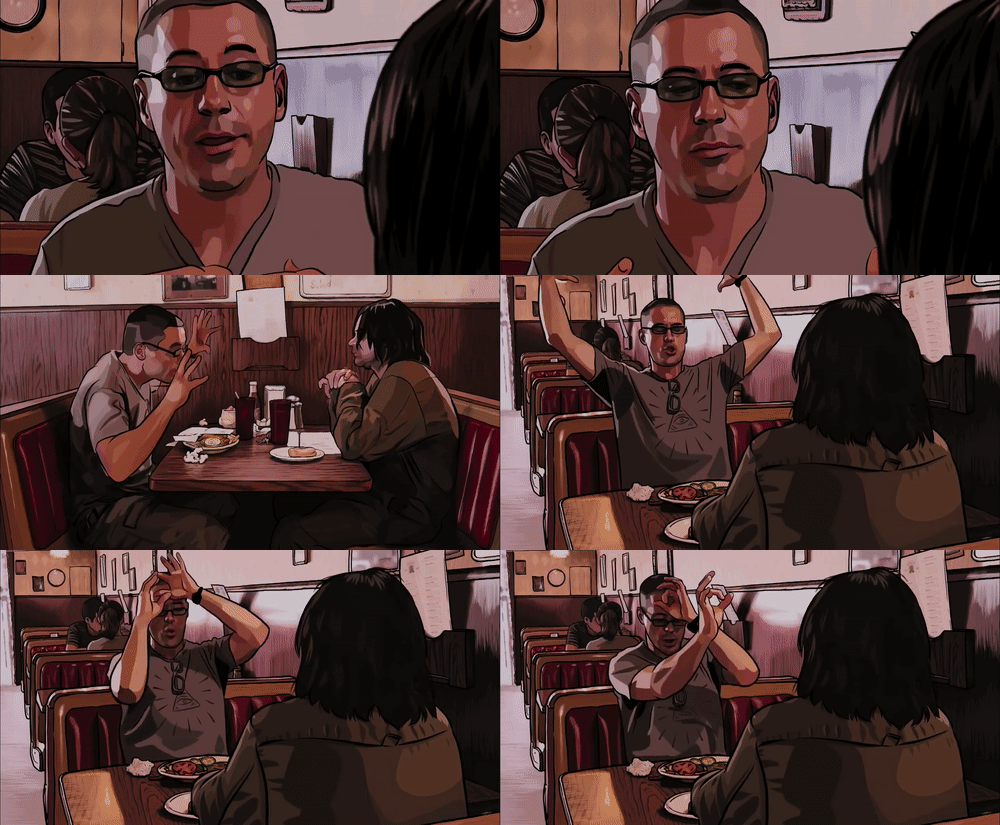
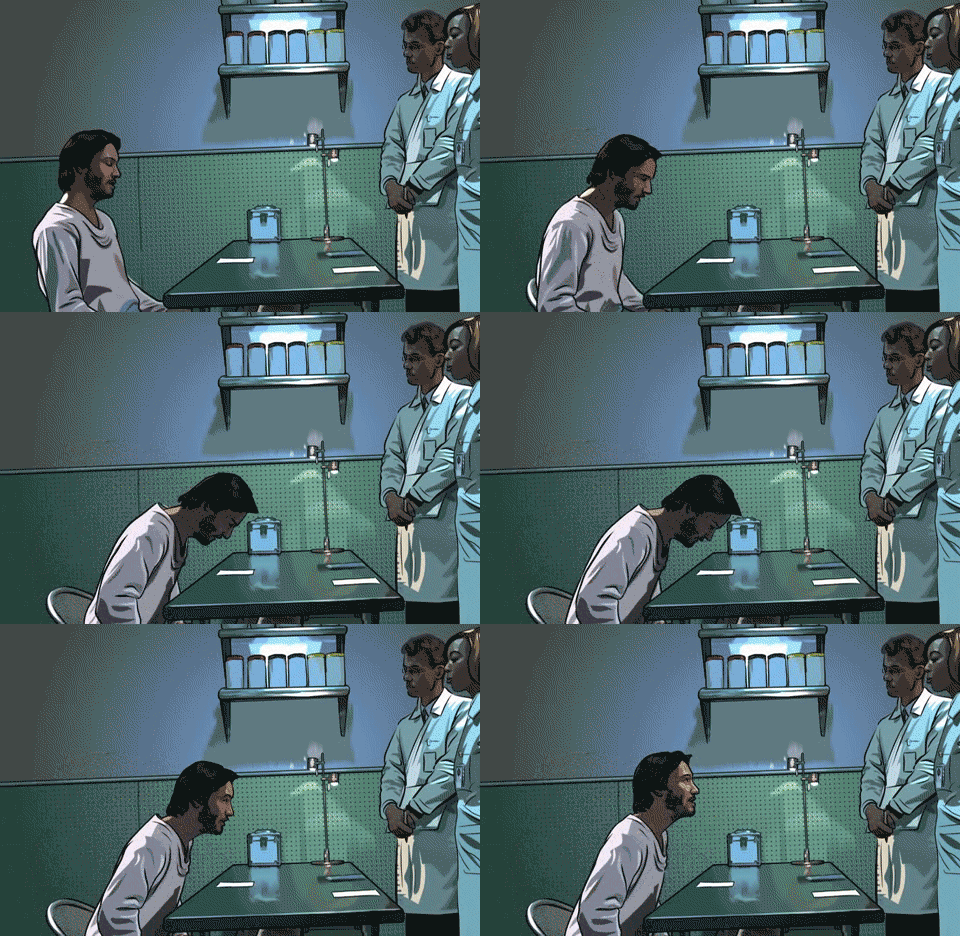
Going in to the 2000s a movie by the name of Scanner Darkly was created. This movie was animated by rotoscoping but instead of being hand drawn the movie used a new program called Rotoshop. This program takes in recorded footage and automatically creates a rotoscoped version of it.
2015
Most animated TV shows are made with a program called ToonBoom. Remember the multiplane camera used for the cel technique? ToonBoom works the same way. Each drawing goes on a separate layer (background and characters) To put it simply this technique is basically the cel technique but digitalised. It is less costly and quicker to use this method but loses a bit of charm the hand drawn animations had.